


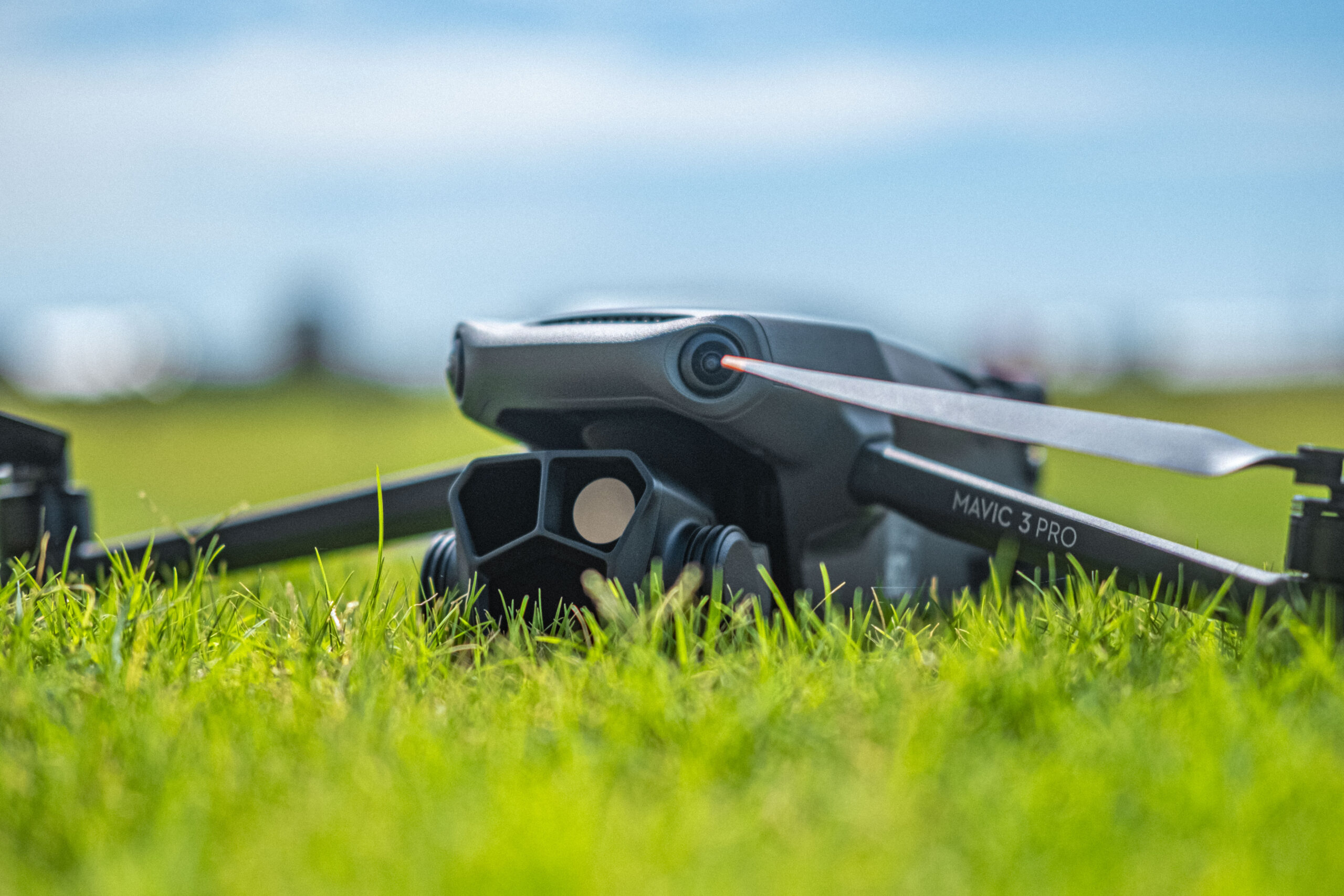
24 Mar FAA Approved Drone Video: When It’s the Right Tool and When It’s Not
Drone video has transformed modern video production. Aerial perspectives that once required helicopters, large crews, and substantial budgets are now accessible, efficient, and visually striking. For organizations in South Florida and beyond, FAA approved drone video can add scale, context, and energy to a project.
But like any production tool, drone video is most effective when used with purpose.
Understanding when aerial footage enhances your message and when it may not be necessary ensures your investment supports strategy rather than distraction.
What “FAA-Approved” Really Means
In the United States, commercial drone operations are regulated by the Federal Aviation Administration (FAA). Certified operators must meet specific licensing requirements, follow airspace regulations, and maintain compliance with safety protocols.
Working with an FAA-Approved drone operator is not simply a formality. It protects your organization from liability, ensures proper insurance coverage, and confirms that flights are conducted legally and responsibly.
In regions like South Florida where airspace can be complex due to nearby airports, coastal zones, and restricted areas, professional certification is especially important. A qualified team understands how to secure airspace authorizations, assess environmental conditions, and operate safely within regulatory guidelines.
When Drone Video Is the Right Tool
1. Establishing Location and Scale
Aerial footage is highly effective when location matters.
For corporate headquarters, healthcare campuses, aviation facilities, hospitality properties, or large-scale events, drone video provides visual context that ground-based cameras simply cannot achieve. It shows environment, size, and surroundings in a single frame.
In South Florida, where waterfront properties, urban skylines, and expansive campuses are common, aerial perspectives often help audiences immediately understand scope and setting.
2. Highlighting Infrastructure or Real Estate
Drone video is particularly valuable for real estate development, construction progress documentation, resorts, golf courses, and large commercial properties.
Overhead angles reveal layout and design in ways that interior or ground-level visuals cannot. For organizations showcasing facilities in West Palm Beach, Boca Raton, or throughout Palm Beach County, aerial visuals can elevate marketing and investor presentations.
3. Enhancing Live Event Coverage
For outdoor corporate events, conferences, or large gatherings, drone footage adds production value and visual energy.
Aerial shots can capture audience scale, stage setup, and overall atmosphere, especially useful for recap videos or promotional materials.
When coordinated carefully within a broader production plan, drone footage enhances storytelling rather than overwhelming it.
4. Creating Cinematic Brand Moments
Some brand narratives benefit from visual movement and perspective shifts. Slow, controlled aerial motion can create a sense of arrival, innovation, or forward momentum.
Used thoughtfully, drone footage can elevate brand perception and add sophistication to corporate video content.
When Drone Video May Not Be Necessary
While aerial footage can be compelling, it is not always the right choice.
1. When the Message Is Personal or Intimate
Executive interviews, patient stories, training modules, or instructional content often benefit from close, grounded visuals.
Drone footage may add visual variety, but it may not contribute meaningfully to the narrative. In these cases, investing in lighting, audio clarity, and thoughtful composition often has greater impact.
2. When Budget Priorities Lie Elsewhere
Drone production requires planning, certified operators, safety measures, and post-production integration. If aerial footage does not directly support the story, those resources may be better allocated toward additional shoot time, enhanced editing, or graphics.
A strong video production partner helps clients evaluate whether drone footage serves the strategic goal, not simply whether it looks impressive.
3. When Airspace Restrictions Limit Flexibility
Certain areas have strict airspace limitations. Near airports, government facilities, or densely regulated zones, obtaining authorization may take time or restrict creative options.
In parts of South Florida, airspace complexity requires careful coordination. In some situations, alternative elevated camera solutions may achieve similar results more efficiently.
4. When It Becomes a Visual Distraction
Drone footage is powerful. But when overused, it can shift attention away from the core message.
Aerial shots should support storytelling, not dominate it. The most effective video productions use drone visuals selectively and intentionally.
Safety, Planning, and Professional Execution
Professional drone production extends beyond operating equipment.
It includes pre-flight planning, location scouting, weather assessment, airspace authorization, risk mitigation, and coordination with ground crews. It also requires an understanding of how aerial footage integrates seamlessly into the broader production plan.
FAA-Approved drone operators approach flights with the same preparation and discipline as any other component of production. That preparation protects clients, crew, and the surrounding environment.
Strategy First, Tools Second
The decision to incorporate drone videos should always begin with strategy.
What is the message? Who is the audience? Where will the content live? What visual elements strengthen clarity and impact?
When those questions guide the decision, drone footage becomes a powerful enhancement rather than an automatic addition.
The Value of Experience in Drone Production
Experience matters just as much in aerial production as it does on the ground.
An experienced team knows how to balance creative ambition with regulatory compliance. They understand how to capture dynamic visuals without compromising safety or professionalism. And they know when to recommend drone videos and when to advise against it.
For organizations across West Palm Beach and South Florida, FAA-Approved drone video can be an exceptional tool when aligned with clear objectives.
At KO-MAR Productions, we approach aerial production the same way we approach every project: with preparation, purpose, and respect for the environment in which we’re working. Drone video is one of many tools available, and when used thoughtfully, it can elevate a story without overpowering it.
As with any production decision, the right choice begins with experience.
Sorry, the comment form is closed at this time.