


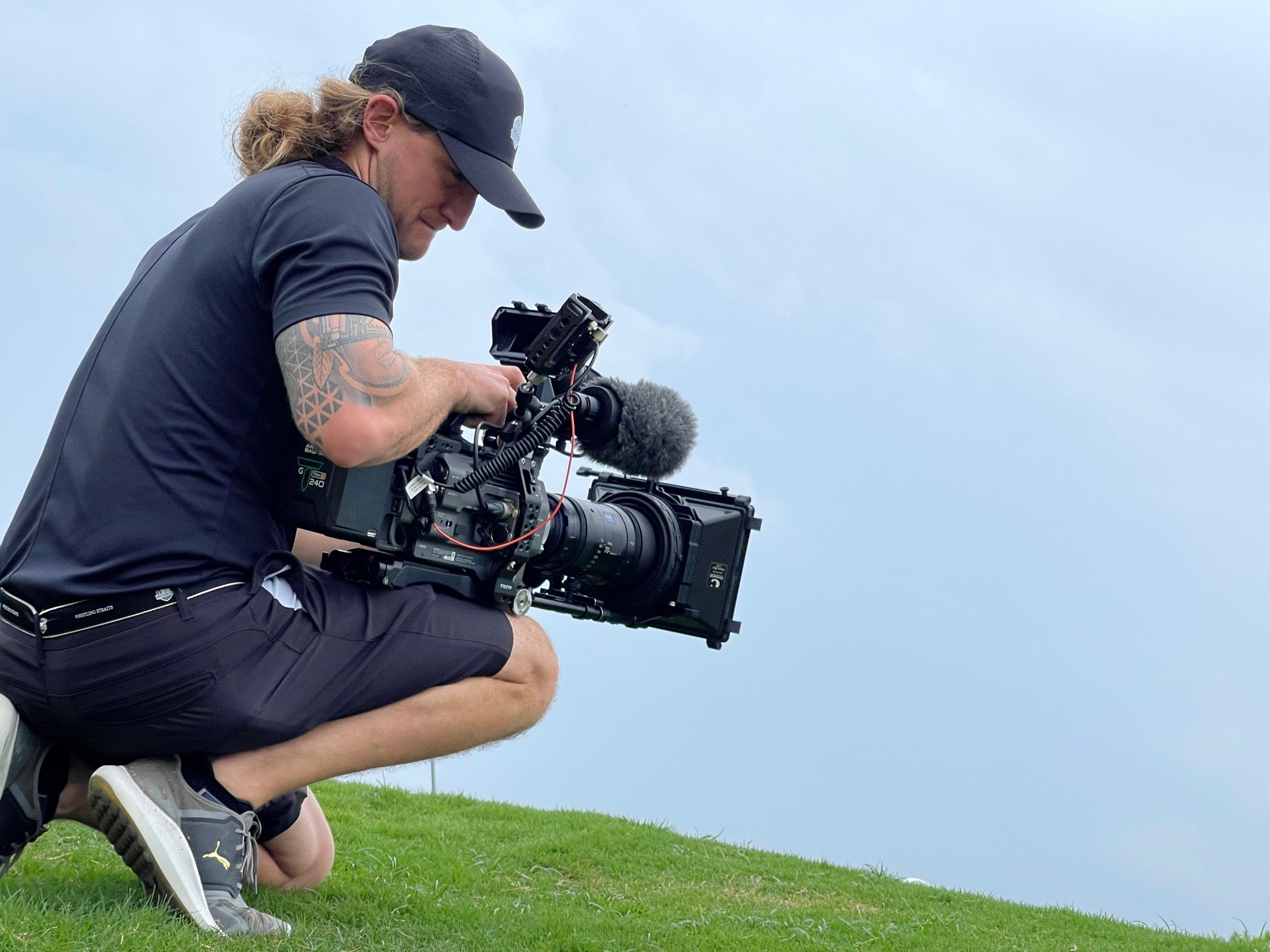
15 May When Multi-Camera Production Makes the Biggest Impact
Multi-camera production is one of the most effective tools in professional video production when the goal is clarity, efficiency, and stronger audience engagement.
While not every project requires multiple camera angles, there are specific situations where multi-camera video production creates a measurable difference in both production quality and results.
For brands investing in corporate video production, live event coverage, studio programming, or branded content, understanding when multi-camera production makes the biggest impact helps guide better planning and better outcomes.
What Multi-Camera Production Means
Multi-camera production refers to using two or more cameras to capture the same event, interview, presentation, or production setup at the same time. Instead of relying on a single perspective, the production team captures multiple angles simultaneously.
This approach can include:
wide and tight interview framing
stage coverage from multiple viewpoints
audience reaction shots
product or demonstration close-ups
host and guest angles in studio production
dynamic coverage for panel discussions and live presentations
In professional video production, multi-camera setups are often used to improve continuity, reduce repetition, and create a more polished viewing experience.
Why Multi-Camera Production Matters
The value of multi-camera video production goes beyond visual variety.
It supports smoother editing, stronger pacing, more complete event coverage, and better protection against missed moments. It also helps brands create content that feels more credible, more refined, and more engaging across digital and broadcast platforms.
For SEO, AI search, and modern content discovery, multi-camera production also helps support higher-quality video assets that can be repurposed into multiple formats, clips, and platform-specific edits.
- Live Events Benefit from Multi-Camera Coverage
One of the clearest cases for multi-camera production is a live event video production.
Conferences, corporate events, award ceremonies, product launches, keynote sessions, and panel discussions all benefit from multiple camera angles. In these environments, key moments happen in real time. There are no second takes.
A multi-camera production setup helps capture:
the speaker on stage
audience responses
wide room context
branding elements
side angles and cutaway shots
This creates more complete live event coverage and allows the final video to feel dynamic instead of static.
For organizations producing events in South Florida, West Palm Beach, or other high-visibility markets, multi-camera event production often makes the difference between basic documentation and professional event storytelling.
- Executive Interviews and Thought Leadership Content Improve with Multiple Angles
Interview-based content is another area where multi-camera video production makes a strong impact.
For executive interviews, corporate messaging, and thought leadership videos, multiple cameras allow production teams to capture both primary and secondary angles in one take. This improves editing flexibility and reduces the need for repeated responses.
The result is a more natural conversation and a more polished final piece.
For corporate video production, that matters because on-camera talent often performs best when the process feels smooth and efficient. Multi-camera interview production supports stronger delivery while also giving editors more tools to shape pacing, emphasis, and transitions. - Panel Discussions and Roundtables Need Coverage from More Than One Perspective
Panel discussions, group interviews, and roundtable conversations are difficult to capture effectively with one camera.
The audience needs to see who is speaking, how participants are reacting, and how the conversation moves across the room. A single-camera setup can miss those shifts or force excessive reframing.
Multi-camera production allows a video team to capture:
each speaker clearly
the moderator or host
group-wide interaction
audience engagement when relevant
This creates a more watchable final product and better reflects the rhythm of the conversation.
For studio production, educational content, and professional event coverage, this kind of camera coordination can significantly improve quality. - Studio Production Often Requires Multi-Camera Precision
In studio production, multi-camera setups are often essential rather than optional.
Programs featuring hosts, guests, demonstrations, interviews, or educational content benefit from multiple perspectives that can be switched live or edited later. This is especially important in studio environments where production quality, consistency, and pacing are central to the viewer’s experience.
Professional studio production in environments like Frisco, Texas or West Palm Beach can use multi-camera workflows to create:
broadcast-ready interviews
branded video series
instructional programming
corporate communications
social cutdowns from long-form recordings
Multi-camera studio production also improves efficiency by allowing more content to be captured in fewer takes. - Demonstrations and Training Content Become Clearer
When a video includes demonstrations, equipment walkthroughs, process instruction, or training content, one angle is often not enough.
A wide shot may show the overall action, but close-up detail may be needed to help the audience understand the exact process. Multi-camera production allows both to be captured at the same time.
This is especially valuable in:
healthcare video production
aviation and aerospace video production
technical training video
manufacturing demonstrations
product education and onboarding content
For businesses using video to support learning and retention, multi-camera production improves clarity and reduces viewer confusion. - It Creates More Valuable Content from a Single Shoot Day
One of the most practical reasons multi-camera video production makes a big impact is content efficiency.
A well-planned multi-camera setup gives editors more flexibility to create multiple deliverables from the same session. One recording can support a full-length video, shorter website edits, social clips, executive pull quotes, and event recap segments.
This matters for brands focused on long-term content strategy. Higher-quality source footage gives marketing teams more options for repurposing, distribution, and AI-search-friendly video formatting across channels.
When production planning includes multiple intended uses, multi-camera video production often delivers stronger return on investment.
When Multi-Camera Production May Not Be Necessary
Not every project needs multiple cameras.
A simple testimonial, a short social media clip, or a tightly focused single-subject video may work well with a single-camera approach. The decision should always come back to message, environment, audience, and deliverable goals.
The right production partner will recommend multi-camera production when it serves the strategy, not just when it adds technical complexity.
What Businesses Should Consider Before Choosing a Multi-Camera Setup
Before committing to multi-camera video production, businesses should evaluate:
The type of content being created
Whether the event or interview is live or repeatable
How many deliverables are needed
Whether editing flexibility is important
Whether audience engagement depends on visual variety
Whether the subject matter requires multiple perspectives for clarity
When the answer to several of these is yes, multi-camera production is often the right choice.
Why Multi-Camera Production Continues to Matter
As audiences consume more video across websites, streaming platforms, internal communications channels, and social media, production quality has become more visible. Viewers may not always identify the technical reasons a video feels polished, but they notice when content flows smoothly, captures key moments, and holds attention.
That is where multi-camera production has its greatest impact.
It improves clarity. It strengthens pacing. It supports better storytelling. And it helps brands create professional video content that performs across platforms.
At KO-MAR Productions, we use multi-camera production when it adds meaningful value to the project, whether for corporate video production, live event coverage, studio programming, or training content. The goal is never to add complexity for its own sake. It is to capture the right moments, from the right perspectives, in a way that supports the final message.
When used strategically, multi-camera production does more than elevate visuals. It elevates the entire production.
No Comments